
Bringing a rescue dog into your home is one of the most rewarding decisions you can make. But it also comes with responsibility, patience and structure.
At Speranța Shelter, every dog undergoes assessment, medical care and behavioural observation before rehoming. We cannot emphasise enough this essential truth: training is not about control, it is about building trust.
Here are practical, expert-backed training tips from our expert team to help your rescue dog thrive.
Understand the 3–3–3 Rule
Bringing a rescue dog home is exciting, but remember, adjustment takes time. When a rescue dog first arrives home, everything changes at once: smells, sounds, routines, people.
So, what is the 3-3-3 rule all about?
- First 3 days: Your dog may feel overwhelmed. They might seem anxious, quiet, unsure or even overly excited. Everything is new.
- First 3 weeks: They begin to understand your routine and feel safer. This is when they may start testing boundaries and showing their true personality.
- After 3 months: They usually feel truly at home. Trust has grown, and your bond becomes stronger.
During this period, focus on calm guidance rather than high expectations. Give them time. Be consistent. Let the bond grow naturally.
Set Clear Rules from Day One
Dogs feel safer when they understand the rules.
From day one, decide where the dog sleeps, when meals are given, which areas of the house are accessible and what behaviour earns attention. Consistency among family members is essential; mixed signals create confusion and insecurity.
Structure is not harsh. It is reassuring.
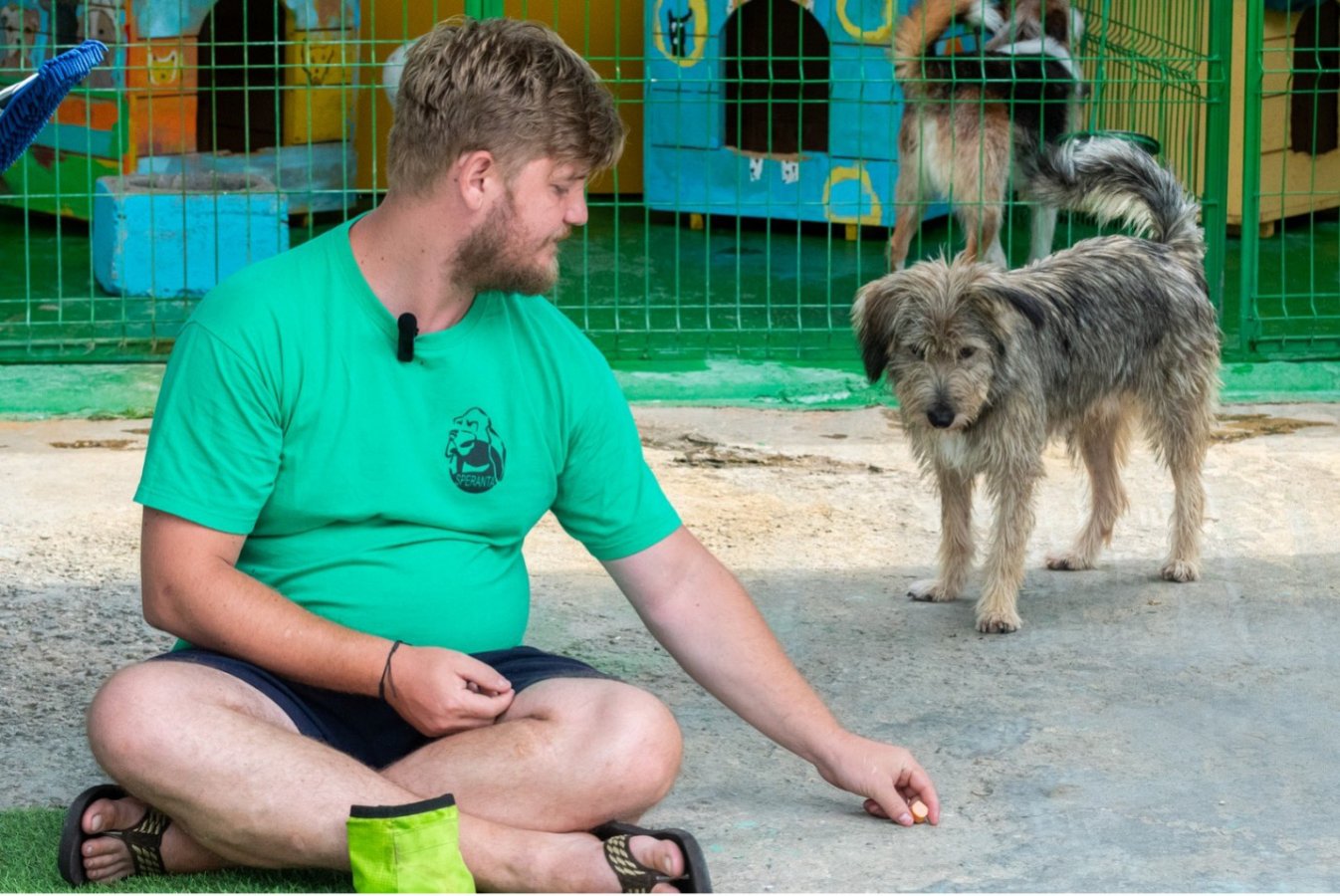
Choose Positive Reinforcement
Modern behavioural science supports reward-based training, and so do we.
Effective rewards may include treats, praise, toys, play or even the simple release of tension on a lead. Punishment, on the other hand, damages trust and increases anxiety.
Reward builds confidence. Confidence builds stability.
Be Careful Not to Overwhelm with Affection
It’s natural to want to shower a rescue dog with love. But affection without structure can unintentionally reinforce insecurity or over-attachment.
Offer affection when your dog is calm, when they respect a boundary or after positive behaviour. This reinforces balance rather than dependency.
Calm affection builds secure attachment.
Use Walks as Communication Time
Walks are not just physical exercise, they are opportunities to build connection.
A balanced walk often includes time for exploration and sniffing, alongside periods of calm walking and attention. If your dog pulls on the lead, avoid pulling back. Instead, gently change direction to encourage focus without creating tension or conflict.
Calm guidance during walks builds trust, and trust makes everything else easier.
Learn to Recognise Stress Signals
Many rescue dogs carry emotional history. Subtle signs of stress may include lip licking when no food is present, yawning when not tired, avoidance or hypervigilance.
Recognising these signals allows you to adjust pace and prevent escalation.
Sometimes the most important training skill is observation.
Prevent Separation Anxiety Gradually
Before leaving your dog alone, provide structured activity and mental stimulation through enrichment toys or safe chew options. Increase alone time slowly and return calmly, avoiding dramatic greetings.
Calm departures create calm dogs.
Remember: Most Behaviour Problems Start with Humans
Dogs are rarely abandoned because they are “bad”. More often, abandonment follows life changes, lack of planning or misunderstanding.
With clear structure, consistency and positive guidance, rescue dogs flourish. They are adaptable, intelligent and remarkably loyal.
Final Thoughts
Training a rescue dog is not about perfection. It is about partnership.
Dogs are emotionally intelligent beings who read our expressions and energy remarkably well. When you lead with calm confidence and fairness, they respond with trust.
At Speranța Shelter, we believe that rehabilitation does not end at adoption, it continues in every home willing to offer patience and guidance.
A trained dog is not just obedient.
A trained dog is secure.
And a secure dog becomes a lifelong friend.
Check out our adoption options for more information.